
What Is an Investment Property?
Want to hear about the best UK investment deals before anybody else? Sign up to our mailing list for information on lucrative investment opportunities, must-know offers, and more.
Everything You Should Know About Investment Property
If you’re new to the world of property investment, you might need to brush up on some of the terms and property-related jargon. One question you may be asking, is exactly what is an investment property?
Knowing and understanding what an investment property is is vital, which is why we’ve put together this quick and easy guide to understanding what an investment property is.
Here, we’ll look at:
- The investment property definition.
- How investment properties work.
- Some of the most common types of investment properties.
- The main differences between typical residential properties and investment properties.
So if you are wondering ‘what is investing in property’, or if you want to find out an accurate investment property definition and property investment meaning, read on to find out more.
The UK Property Market in 2026 - What's Predicted?
Learn whether 2026 is a good year to invest with our key predictions for the year ahead, as well as a look back on 2025 and how the market performed. Download your essential guide now!

Investment Property Definition: What Is an Investment Property?
An investment property is defined as a real estate property purchased to generate a return. This return could be through rental income, capital appreciation from the future resale, or a combination of the two.
So if you are wondering what is investing in property, the answer is simply somewhere you own for income, not to live in.
Signs of a good investment property are different for every investor, but a good investment property definition is one that has:
- An affordable price
- High rental yields so you get a better return on investment
- A popular area or one undergoing regeneration
- One that has features attractive to tenants
For those wondering ‘what is investing in property’, these are signs to look for when researching potential investment properties.
Projected annual rental income as high as £28,345 and predicted £86,929 capital growth by 2030. Interested?
Enquire about Fox & Foundry today, our latest addition to Liverpool’s fastest-growing regeneration area, with prices from £189,950. Growth prediction based on North West projected capital growth, Savills.

What Is Considered an Investment Property?
Any property that generates some form of revenue can be classed as an investment property. Here are the two primary examples of an investment property.
- A rental property that the investor has owned for several years and generates consistent rental income from letting it out to one household of tenants at a time. The property can then be sold later in life for a large capital growth return.
- A property purchased for a low price and renovated before being sold to generate a significant return on investment. This can be an existing property you are ‘fixing up’ or a new build you are constructing from scratch.
There are also these less common examples of an investment property that many don’t consider when wondering what is a property investment:
A hotel investment: a buyer purchases a room in a hotel and generates income from hotel stays.
A holiday let: a buyer lets a property out to short-term tenants who are using it to stay in during a trip.
An HMO investment: a property investor buys a large house that is let out to multiple tenants at once.
You can read about the different types of investment property available to invest in with our detailed article.
Examples of Investment Property: What are the Common Types of Investment Property?
Residential / Student
Residential or student properties are the most popular type of investment property and what most people think of when they hear the term.
Residential investment properties can be rented out to any tenants, while student investment properties can be rented out only to student renters.
There’s a big market for student properties in the UK due to the high demand from university students.
Residential and student investment properties can be apartments, studio flats, houses, townhouses, or any kind of liveable property.
Commercial
Commercial properties are another option for those looking to invest.
With a commercial investment property, the investor doesn’t rent their property out to tenants who use it as a home. Instead, tenants are business owners that need to use the property for office or retail space.
Commercial properties can still generate rental income the same way a residential or student property can, but selling them and generating capital growth returns can be more tricky.
This is because the market for residential properties is larger than the commercial property market, so selling a residential investment property to another investor or a home buyer tends to be easier.
A benefit of commercial property investment is that these properties often generate a larger income through higher rental costs.
Mixed Use
Sometimes, an investor may purchase an investment property that functions as residential and commercial property.
Examples include a development that features flats on the upper floors and retail space such as a restaurant or shop on the ground floor.
This is common with a lot of new build developments in the UK that are designed with high-quality features to try and attract as many tenants as possible.
Buy-to-Let Investment: The Ultimate Guide
Is buy-to-let investment a good idea? Download our must-read guide with the latest information for 2026 and helpful tips for beginners.
Download Guide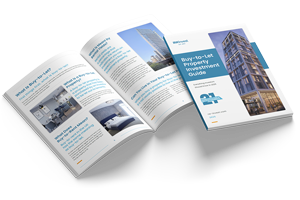
Want to Know How to Invest £50k in Property?
Discover the best ways to invest £50,000 in property in 2026 with our free informative guide. Download your copy now for instant access!
Download Guide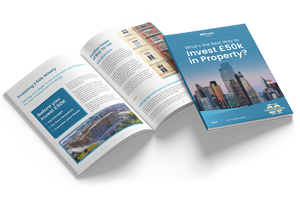

How Investment Properties Work
So how do investment properties work? In a nutshell, an investment property works in these steps:
- A buyer purchases an investment property.
- They let it out to tenants to generate rental income.
- Once they’re ready to, they’ll sell their property for capital growth returns.
This is a typical example of how somebody’s property investment journey may look, but your own investment may look a little different depending on the type of property you buy.
For instance, those who purchase off-plan investment properties (properties that aren’t yet completed), don’t need to worry about spending time and money updating their property in the same way that those buying a ‘fixer-upper property’ would.
With this type of investment property, certain things would need to be done before the property was able to be rented out to tenants. This could mean refurbishing a kitchen or bathroom or completely redecorating.
For this reason, a lot of property investors find off-plan properties beneficial as they’re entirely new and up-to-date as soon as they’re purchased.
Read our complete guide to off-plan property to learn a little more about off-plan investments and what they involve.

The Key Differences Between Typical Residential Properties and Investment Properties
A typical residential property purchase functions as a home for the buyer to live in, while an investment property functions more as a business venture.
A Home Vs a Business Venture
Properties purchased as primary residences are more sentimental, personal, and have an emotional connection.
The buyer, and possibly their family, will be living there, so they’ll search for properties with themselves and their loved ones in mind.
When they are searching for a home, buyers look for aspects appealing to their own needs, such as the number of rooms in the property, any outdoor space or gardens and having amenities like schools and shops nearby.
On the other hand, investment properties are to be lived in by tenants, so the buyer will usually keep their target tenant in mind while browsing the property market.
For example, an investor may be interested in buying a student property. They’ll look for an apartment or studio flat that is centrally located, within walking distance to universities or transport links, and fitted with modern appliances and high-speed internet.
Therefore, the buyer isn’t looking for what they want for themselves but what the type of tenant they want to draw to the property will be looking for.
Funding an Investment Property
Another key way that buying investment properties differs from home buying is with funding.
The most common way that people pay for their homes is with a residential mortgage. Those buying an investment property can also use a mortgage to fund their purchase.
However, they will need to use a buy-to-let mortgage when purchasing a rental property.
Buy-to-let mortgages are similar to residential mortgages as they require a percentage of the property purchase price as a deposit, followed by regular mortgage repayments.
To secure an investment property mortgage, investors will need to put down a deposit of at around 25% (sometimes more, depending on different mortgage lenders) and make sure they meet all the criteria required to be accepted by a buy-to-let mortgage lender.
Many mortgage lenders will not lend money to buyers purchasing an off-plan property due to the increased risks associated with the development of the property.
Other options for funding an investment property purchase include using a payment plan.
Payment plans are often available to those buying off-plan properties and allow the investor to purchase their property in smaller chunks of cash.
This could mean the investor splits the purchase price into two instalments, with the first 50% payable when they initially invest and the remaining 50% payable when the property is completed.
To work out whether you have enough money to get started with an investment property purchase, read our article ‘Can I afford an investment property?’
RWinvest Investment Finder
Find the Perfect Investment for you.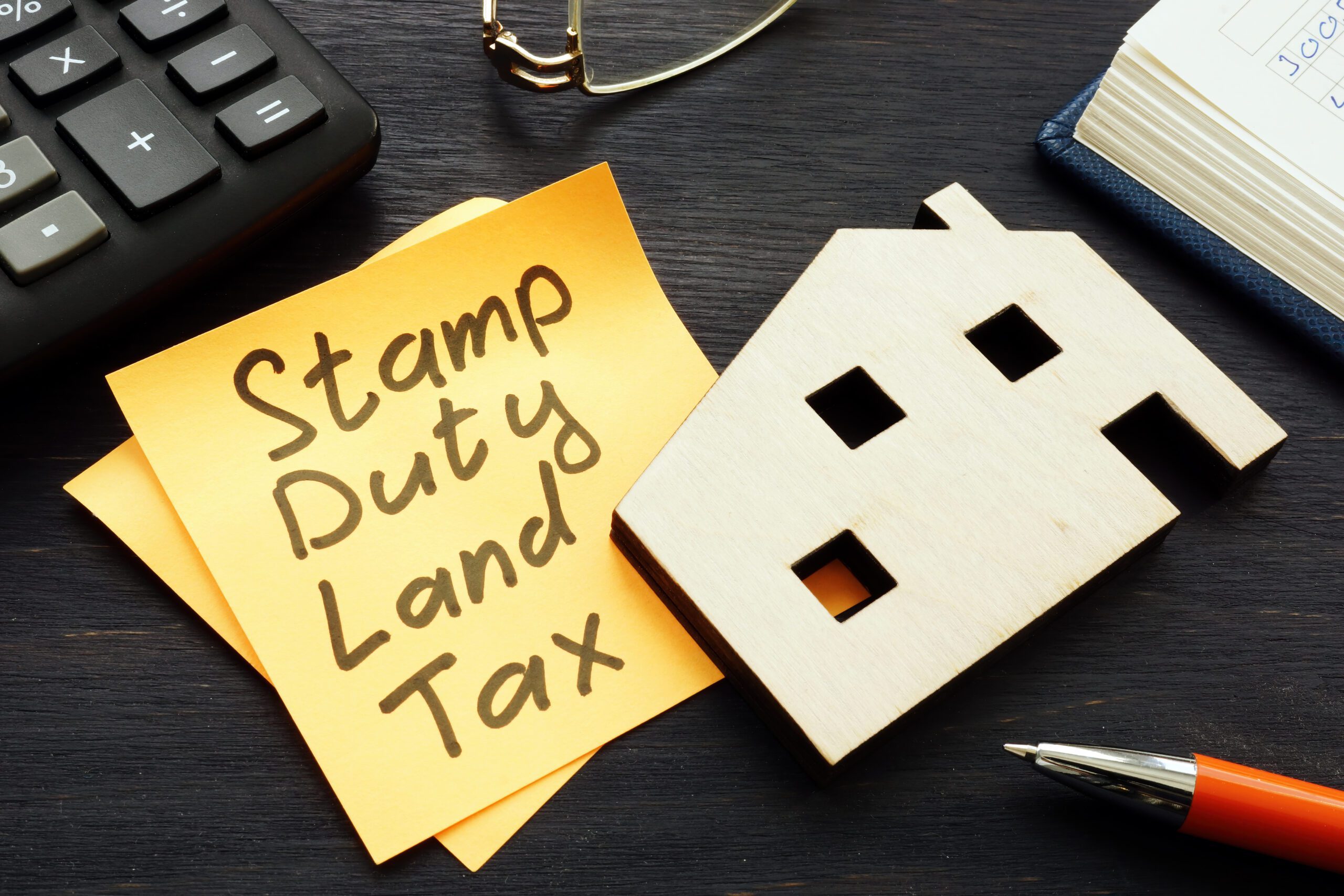
Taxes on an Investment Property Purchase
Taxes are often involved with any UK property purchase, regardless of whether it’s a rental property or a new home.
The most common tax payable on property purchases in the UK is Stamp Duty Tax, calculated based on the overall cost of the property you’re buying.
It’s important to note that stamp duty tax is typically higher for those buying an investment property. This is because the cost of stamp duty on second homes or buy-to-let properties incurs a tax surcharge.
Those purchasing a second property in the UK will pay an additional 5% surcharge on stamp duty, which means if you are buying a buy-to-let property worth less than £250K, you will pay 5% of the property’s total value as stamp duty.
Read our article ‘How to Avoid Stamp Duty on a Second Home‘ to find out more.
You can also find out more about stamp duty tax rates for buy-to-let properties with our helpful guide.
Projected annual rental income as high as £28,345 and predicted £86,929 capital growth by 2030. Interested?
Enquire about Fox & Foundry today, our latest addition to Liverpool’s fastest-growing regeneration area, with prices from £189,950. Growth prediction based on North West projected capital growth, Savills.
Explore Investment Properties For Sale With RWinvest
We hope this guide has helped define what is an investment property and given you a clear investment property definition.
It is easy to get confused when wondering what is an investment property and what is not, so hopefully, this has given you a better idea.
Here at RWinvest, we have a fantastic choice of investment opportunities to help you make your ideal property investment purchase.
Our properties offer below-market value rates, excellent capital growth prospects, and some of the best rental yields on the market.
Choose a property investment company you can trust and enquire today to find out how we can help you. Contact us to request more details about our latest investment properties in the UK.
If you’re new to property investment, you may find the following informative guides useful:

Share:


- Everything You Should Know About Investment Property
- Investment Property Definition: What Is an Investment Property?
- What Is Considered an Investment Property?
- How Investment Properties Work
- The Key Differences Between Typical Residential Properties and Investment Properties
- Taxes on an Investment Property Purchase
- Explore Investment Properties For Sale With RWinvest