
Is Buy-to-Let a Good Investment in 2026?
Buy-to-let investments have returned great results and desirable ROI in the past, but are buy-to-lets a good investment in 2026? In this article, RW Invest will break down buy-to-lets as an overall investment, considering both positives and negatives.
Is Buy-to-Let Still Worth it in 2026?
Buy-to-let has historically been known as one of the best ways to make money through property.
Offering both rental income and returns from capital growth, buy-to-let has the advantage of giving investors two types of return.
Because of this, buy-to-let is an investment strategy that appeals to many investors, and can fit a range of investing goals. For those wondering if buy-to-let is worth it for them, the answer is likely yes, no matter the targets they have for investing.
But is buy-to-let what it used to be? Is buy-to-let a good investment to make? Is buy-to-let property still worth it in 2026?
In this insightful blog post, we’ll look at arguments for and against investing in buy-to-let right now.
Looking at the latest research and analysis, we’ll help you decide whether or not buy-to-let is the right venture for you.
The UK Property Market in 2026 - What's Predicted?
Learn whether 2026 is a good year to invest with our key predictions for the year ahead, as well as a look back on 2025 and how the market performed. Download your essential guide now!

The benefits of Investing in Buy-to-Let properties
There are many benefits of investing in buy-to-let properties, including great ROI, exciting property valuations and the opportunity to create a passive income. Learn more about these benefits below.
Property Values are Growing Fast
As for the question ‘Is buy-to-let still a good investment in 2026?’, there’s no question when it comes to house prices.
If you’ve been keeping up with the UK housing market over the past year, you’ll know that average property prices are skyrocketing.
This house price growth may not be good news for first-time buyers looking to get their foot on the property ladder, but for buy-to-let investors, it signals a lucrative investment.
By investing in buy-to-let property right now, you’ll be able to purchase properties at affordable rates before even further property price growth comes into effect.
Certain areas of the UK are expected to perform better than others though, with the North West standing head and shoulders above the competition.
Cities like Liverpool and Manchester are expected to see price rises in the near-term, while a five-year growth of nearly 30% is anticipated by Savills.
Even with this growth, the North-West will still be highly affordable for investors, so you can benefit more from capital growth by investing here than you would in cities like London.
For example, the Land Registry reports that the average property price in Liverpool as of December 2025 was £185,000, which is almost £100k below the national average!
Just look at the predictions from Savills on how the UK property market is set to perform over the coming years.
This means buy to let investors can expect to benefit from capital appreciation in the coming years, and are set to make considerable profit from investment properties if they choose to sell.
Good Rental Yields
Securing the highest rental yields is crucial if you want to get the most out of your buy-to-let investment.
The more rental income you can generate, the better. But is buy-to-let a good investment right now when it comes to rental yields?
Thankfully, rental yields in the UK are at some of their highest levels – a major reason to invest in buy-to-let in 2026 and beyond.
The buy-to-let hotspot cities of recent years, like Liverpool and Manchester, offer some excellent rental yields with no sign of a rental market slowdown.
These North West cities have both affordable property prices and high demand from tenants, which is helping the rental market in both cities to thrive.
The current average rental yield in the UK is 5.60%, per data from Zoopla, whereas Liverpool has an average rental yield of 7.44% – a far higher yield!
This means depending on where you invest, you may find yourself earning around twice the average amount of returns on an investment property, a massive jump!
Buy-to-let property for sale in Liverpool right now offers high rental yields and excellent demand from tenants.
Manchester also has high yields while being one of the fastest-growing cities in the UK. Our development Embankment Exchange is projected to bring in rental yields of 6%, meaning you can make a solid return on your investment.
Recent data has also revealed that the time it takes for landlords to rent out a property has fallen drastically in recent years, which means demand is higher than ever.
Easy Entrance
If you’re investing in property through a property investment company but wondering how to buy a buy-to-let property, the process may surprise you.
Unlike when investing in some other asset classes, buying a buy-to-let property in this way is simple.
The property investment company you work with can take the hassle out of the process by connecting you with the best opportunities, helping with solicitors, and assisting with each stage of the buying process.
You may choose to use a buy-to-let mortgage when purchasing an investment property, which allows you to spread out the cost of investing over time and use your rental income to help pay for the property.
Lenders will expect a higher deposit than with a traditional residential mortgage, so you will need to have more money upfront to be able to secure a mortgage. Interest rates are also higher, but you pay off the accrued mortgage interest over the term of the contract rather than the actual amount borrowed.
You only need to pay the borrowed amount at the end of the mortgage’s term, by which point the rental income you have collected will hopefully give you enough funds to complete this.
Payment plans are also available to help investors who don’t have the full sum of cash available secure their investment. This allows you to avoid borrowing a buy-to-let mortgage and having to deal with costly mortgage payments while spreading out the cost of investing over time.
So if you are asking is buy-to-let worth it due to the time it takes to organise and set up, the answer is yes thanks to the wide range of ways you can get into property investment.
Create Passive Income
If making passive income is one of your main motives for getting started with buy-to-let, you’ll be glad to know that buy-to-let is actually one of the best ways to make passive income.
That’s because it’s possible to make income from your investment without having to get involved with time-consuming commitments.
You collect rental income every month from your tenants, and so long as things go smoothly you won’t have to have much interaction with those who are renting your property. Buy-to-let landlords can often perform their duties around their day jobs and regular lives.
However, you may find yourself being bogged down with repairs, renovations and other issues that could arise throughout a tenancy, so you may find yourself wanting to hand over the responsibility of managing your investment property to someone else.
Hiring a rental management company to help you run your rental property is the best option for this.
This means you can make passive income from your buy-to-let purchase without any landlord duties, as the rental management company does the hard work for you.
There are so many great rental management companies that take the hassle out of managing a buy-to-let investment.
If you’re working with a property investment company to buy your buy-to-let property, the company you invest with will often recommend quality rental management companies to help you manage your investment.
You can use your rental income to pay for the services of the rental management company, meaning you may see less money in your pocket from your property, but your time is free to pursue other ways of making money.
If you’re asking, ‘Is buy-to-let worth it or shall I explore easier options?’, you can rest assured that buy-to-let has the potential to be just as hands-off as any other venture.
Projected annual rental income as high as £28,345 and predicted £86,929 capital growth by 2030. Interested?
Enquire about Fox & Foundry today, our latest addition to Liverpool’s fastest-growing regeneration area, with prices from £189,950. Growth prediction based on North West projected capital growth, Savills.
Potential disadvantages of investing in Buy-to-Let properties
Although buy-to-let properties can be a great way to expand your investment portfolio and create passive income, there are some slight disadvantages you should be aware of before you take the plunge.
Buy-to-Let Taxes Put Some Investors Off
There are several taxes that buy-to-let property investors need to pay, and for the more tax-averse, these can be viewed as a downside.
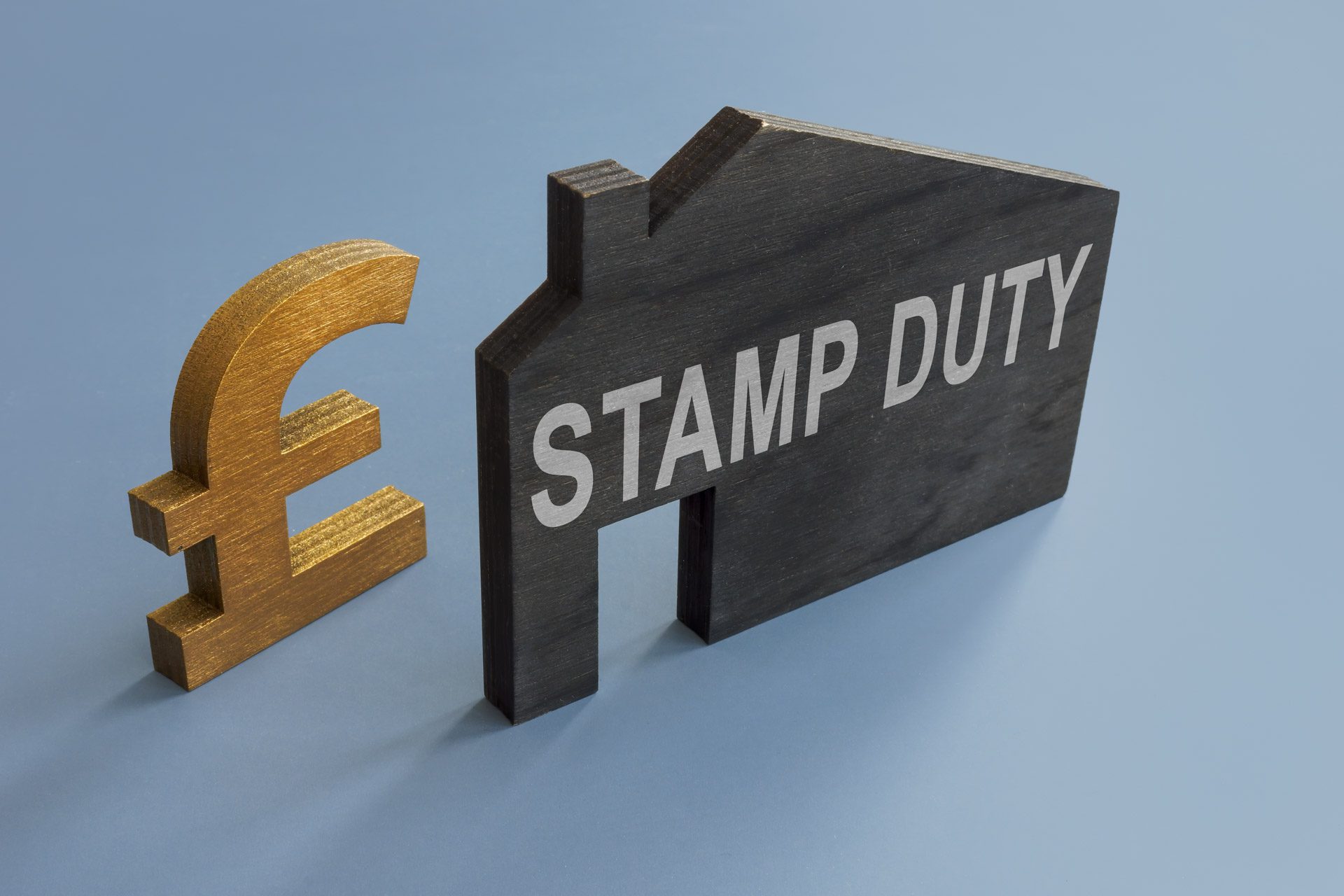
Taxes include stamp duty on buy-to-let, income tax, and capital gains tax which is payable if your property has grown in value by the time you sell it and exit your investment.
You’ll need to pay income tax on any rental income you make, and the threshold for this will change depending on what you earn annually. This means any money you make outside of property investment is also accounted for, so you may find yourself in a higher tax bracket by investing in property if you are not careful.
With capital gains tax, this is taxed on the profit you make from selling your investment property.
Higher-rate taxpayers will be expected to pay in the higher thresholds for income tax and capital gains tax, so you will see less and less of your returns the more money you make.
With stamp duty tax in England and Northern Ireland, buy-to-let investors often have to pay a surcharge (which is slightly higher still for overseas buyers), which can put some investors off buy-to-let as a whole.
This can be thousands of pounds added to the price of the property, meaning that you will need to accommodate this tax when planning your budget for investing.
Lastly, if you choose to pass on your investment property to your next of kin, inheritance tax will kick in and they will have to pay a portion of the estate to the government, again depending on what tax bracket they fall under.
However, the tax you need to pay on buy-to-let investments isn’t all bad. In many cases, the amount that you need to pay will be lower than you think.
Lower rates of tax are available for first-time buyers who are purchasing a rental property while not already owning a home of their own.
Recent tax changes to stamp duty have simplified how it works and generally made it cheaper for most properties, helping investors to save money on their taxes.
Be sure to read more about buy-to-let taxes and how they apply to your specific investment before deciding against a buy-to-let venture.
Learn about the latest buy-to-let rules and taxes you should know about with our helpful blog post.
Long-term Strategy
Many people new to buy-to-let will wonder, ‘If I want a short-term strategy, is buy-to-let a good investment?’
The truth is that if you’re looking for an investment strategy that makes full returns in a short space of time, buy-to-let isn’t for you.
That’s because, unlike different strategies like property flipping, it’s beneficial to hold onto a buy-to-let property for many years before you consider selling.
By treating buy-to-let as more of a long-term investment, you can reap the full benefit of many years of rental income as well as maximum capital growth once property prices have had enough time to grow to new levels.
If you only collect rental income for a short time or sell your property after only a couple of years, you will not maximise the returns you could make from a buy-to-let investment property, so patience is key.
If you use a buy-to-let mortgage to invest, you will need to keep up with repayments, which is likely to take years and will eat into your profits.
Even when you come to sell your investment property, the process can take months to go through, as estate agents and solicitors need to ensure everything is above board for both parties and it will likely take time to find a buyer.
Property investors who aren’t willing to wait to see these lucrative returns may wish to explore alternative options.
Buy-to-Let Profits Have Changed
Over time, landlords have seen the profits from their buy-to-let properties eaten into by changes to how they are taxed.
For one, mortgage interest relief is no longer available, so investors are having to pay off their BTL mortgages using their profits rather than having any assistance. In the past, investors could get 40% tax relief on their mortgage payments but this is no longer the case.
As many buy-to-let mortgages are interest-only, this has hit the buy-to-let industry especially hard, as they now have to pay higher tax rates. Income tax has risen in recent years, and in stealthier ways than you might realise.
Invest in Greater Manchester’s Most Exciting Regeneration Zone - From £269,950
Luxury investment opportunity near the £2billion Old Trafford regeneration scheme. Short-term lets approved with projected yields from 7.9% and premium onsite facilities such as a luxury spa.
FAQs
The profit you make from a buy-to-let property depends on the rental yield you get from the property, as this percentage indicates how much of a return you will make on your investment on a yearly basis.
A rental yield of between 4-5% is considered a solid return on investment, but aiming for a yield of 6% or higher means you can make a higher profit from your buy-to-let property.
Any form of investment has its risks, but buy-to-let property is generally considered one of the safer long-term investment options available.
Due to property being a physical asset, it does not rise or fall in value sharply, making it easier for the market to course correct.
Combine this with the UK property market’s natural resilience against economic uncertainty, and buy-to-let is one of the least risky investment methods in 2026.
While you may not want to own a buy-to-let property, investing in property may still be something that interests you. We currently have a great range of “hands-off” investments to choose from.
There are many different ways to get started with buy-to-let investing, however if you are looking to buy a buy-to-let property, the process is generally going to be the same no matter what.
- You ensure your financial situation is stable and organised.
- Find the right investment property for you and make an offer.
- Borrow a buy-to-let mortgage if you need one and take out insurance if you feel it is needed.
- Exchange contracts and transfer funds to buy the property.
- Find tenants and continue to manage the property over time.
We go into more detail with this in our blog on how to buy buy-to-let property. Take a look if you want to learn more.
RWinvest Investment Finder
Find the Perfect Investment for you.So, Is Buy-to-Let a Good Investment For You?
- Are you looking to make high capital growth returns?
- Do you want to generate an attractive rental income month after month?
- Are you looking for a hassle-free and hands-off venture that helps you make passive income?
- Are you prepared to hold onto your investment for several years to truly maximise your earning potential?
- Are you prepared to pay the rate of tax as required for your purchase?
If your answer to these questions is yes, then buy-to-let is an excellent investment for you to consider.
By buying a student or residential property in the UK and renting it out to tenants, you can really maximise your money and meet your financial goals.
Generally speaking, right now could be considered one of the best times to invest due to upcoming property price and rental market growth, with regions across the UK expecting a significant housing market boom in the years to come.
So, what are you waiting for? Take your first step towards your financial goals and explore the buy-to-let investment opportunities available on the market today.
Whether you want to invest near London, in the North West, the Midlands area and beyond, we have buy-to-let offers that you’ll want to know about.

Share:


Contact Us
Want to Get in Touch?
Fill in the form to contact us today and a member of our award-winning property team will be in touch to help.

It will be my third investment apartment with RW Invest and I cannot recommend them highly enough. Sean Orrett and Chloe Walker really do go the extra mile. Chloe in particular helped me through a particularly hard time with solicitors and all the paperwork that was involved. Living in a different country and negotiating all the nuances that come with investing, she negotiated with ease and gusto. A big thanks to you both.


Daniel Stewart, has assisted me every step of the way. This is my first property purchase and so took Daniel up on his offer to guide me through every step no matter how small. I felt comforted to have his assistance in documents I needed to both understand and sign. Couldn't be happier with the help and customer care I have received so far.


We highly recommend RW Invest to anyone looking for an experienced, reliable and knowledgeable professional company.
We are more than delighted with their services throughout the entire process. They provided us with extremely helpful advice and guidance every step of the way and ensured that we understood all aspects involved in securing a property through them.

Chloe is very helpful. She has been a great help and solved all the difficulties I had with the purchase. I am happy she was there to help with the process. Very approachable and responsible.

This was my second unit purchase with RWinvest, and I found the team to be very helpful in finding the best deal which suited my needs and budget. Arjun Surana, Adam Burns were really processional in answering all questions, Excellent follow up and ensures your property purchase are smooth from the start to end and supporting throughout the purchase/exchange of contract process.
I highly recommend anyone to purchase their property with RWinvest.

